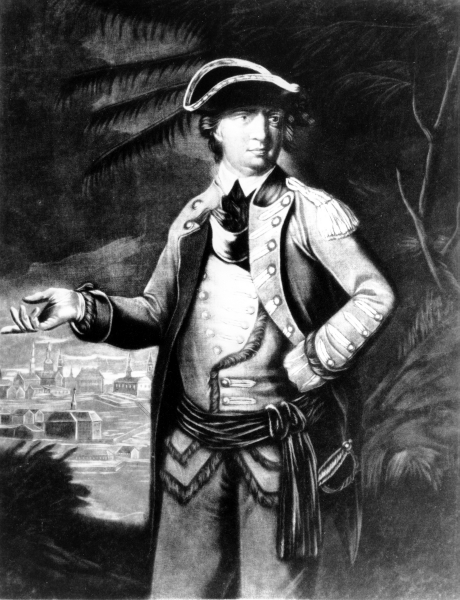
Major General Benedict Arnold slowly pulled his carriage to a stop as his horses navigated the last few bumps of the cobblestone streets in front of the Pennsylvania State House. He looked in shock at the building (now called Independence Hall) where the Second Continental Congress had been meeting until last fall and where the Declaration of Independence had been signed and adopted. Covered now in filth and reeking horribly, the British had callously used the red brick two-story building as both a barracks for their troops and a hospital for wounded American prisoners. He glanced at the empty tower and belfry where the State House Bell (now called the “Liberty Bell”) was supposed to be. Unbeknownst to Arnold, to keep the bell that had rung on July 4th in honor of American independence from being melted down by the British for bullets, the bell had been carted north to Allentown in a wagon covered in hay and manure where it was buried under the floorboards of the Zion Reformed Church. It would make a celebrated return journey later in the month back to Philadelphia where it would peel over America’s first capital city until 1852.
Read Full Article »The Undoing of Benedict Arnold and Monmouth Courthouse
Comment
Show comments
Hide Comments